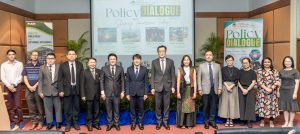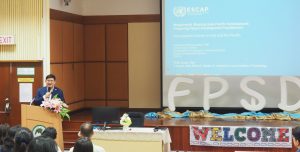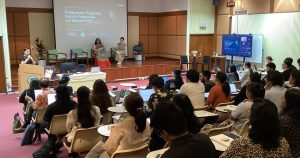
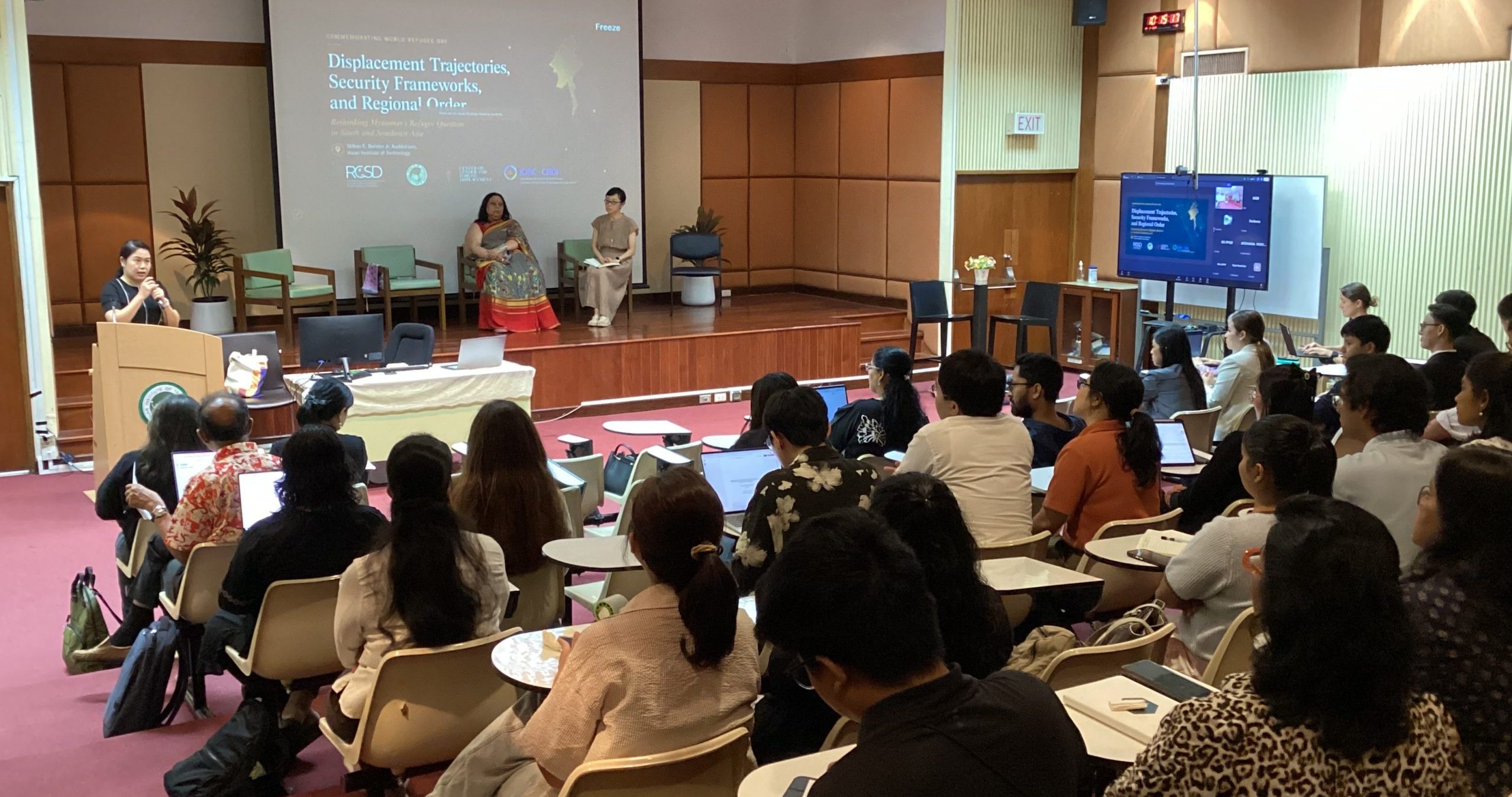
AIT, THAILAND – The World Refugee Day Academic Engagement, themed “Displacement Trajectories, Security Frameworks, and Regional Order: Rethinking Myanmar’s Refugee Question in South and Southeast Asia,” took place at the Asian Institute of Technology (AIT) on June 24, 2026, in the Milton E. Bender Jr. Auditorium.
The event convened scholars, policymakers, humanitarian practitioners, civil society organizations, faculty, and students to examine forced displacement in South and Southeast Asia. The primary focus centered on refugees from Myanmar and the evolving policy landscape in Thailand regarding protection, employment, legal status, and social integration for displaced communities.
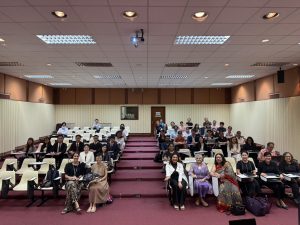
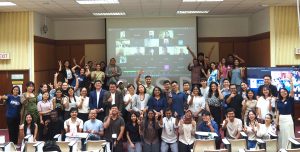
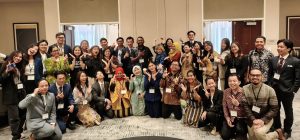
Approximately 50 participants attended, with the majority being students from AIT, Rangsit University, Thammasat University, and Chulalongkorn University. Additional participants joined online. Representation from multiple institutions demonstrated significant interest among students and early-career academics in refugee issues, human rights, migration governance, and regional cooperation.
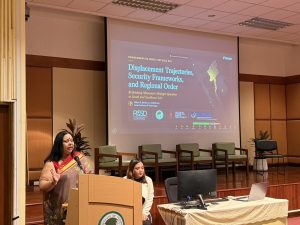
All speakers listed in the programme were present and contributed to the event. The keynote address was delivered by Ms. Sumbul Rizvi, former UNHCR Representative to Bangladesh. Panelists included Ms. Jacqueline Strecker (UNHCR), Ms. Naiyana Thanawattho (Asylum Access Thailand), Ms. Taksaporn Noikaew (Internal Security Division), and Dr. Sirada Khemanitthathai (Research Chair on Forced Displacement in Southeast Asia). Prof. Paula Banerjee opened, framed, and closed the discussion. AIT faculty members in attendance included Prof. Kyoko Kusakabe, Prof. Mokbul Morshed Ahmad, Dr. Joyee S. Chatterjee, Dr. Duangthai, and Prof. Paula Banerjee.
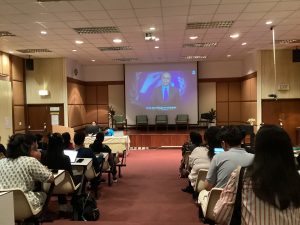
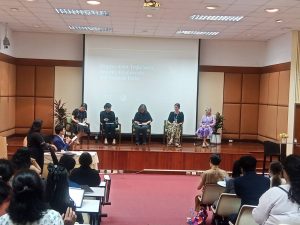
The event emphasized that forced displacement should not be regarded solely as a short-term humanitarian issue. In many instances, displacement is protracted, resulting in limited access to education, employment, identification documents, legal protection, and national systems for affected individuals and families. The discussions underscored the necessity for sustainable, evidence-based approaches that prioritize dignity, self-reliance, and social inclusion.
The event was organized to commemorate World Refugee Day and to create an academic forum to discuss evolving displacement patterns in South and Southeast Asia. The situation in Myanmar was the central focus, due to its significant regional impact, including on Thailand.
The primary aim was to integrate academic, policy, and humanitarian perspectives. The event addressed both the immediate needs of refugees and the potential for collaboration among states, international agencies, civil society, local communities, and academic institutions to develop more humane and sustainable responses.