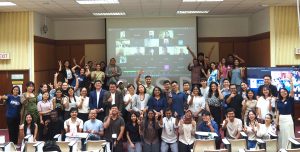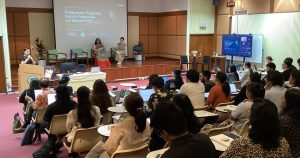
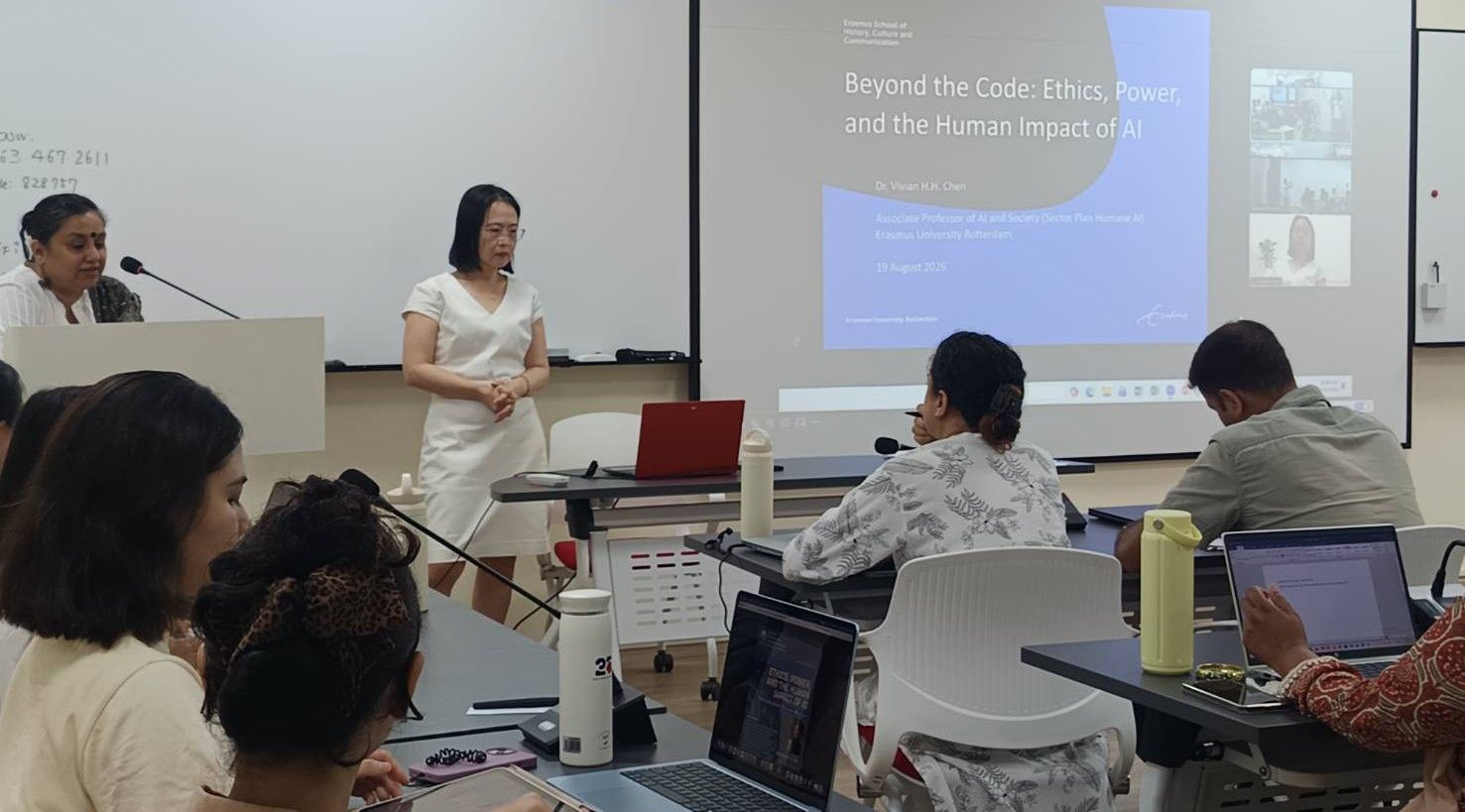
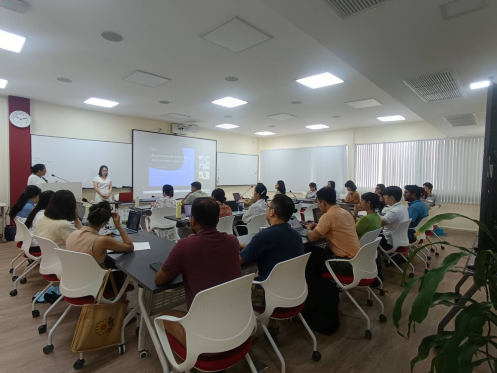
AIT, 19 August 2026 – Who defines the common good when artificial intelligence is designed and deployed across societies marked by unequal power, resources, and representation? More than 30 students and researchers explored this question during a guest lecture by Dr. Vivian H.H. Chen, Associate Professor of AI and Society at Erasmus University Rotterdam. Titled “Beyond the Code: Ethics, Power, and the Human Impact of AI,” the lecture examined artificial intelligence as a social and political issue.
A central distinction in Dr. Chen’s lecture was between the moral status of AI and the governance of AI. Questions of moral status ask whether AI might possess rights or the capacity to suffer. Governance instead asks whether AI can cause suffering, who is responsible for its effects, and how society should regulate it. Dr. Chen emphasized that describing AI as a “partner” can obscure the fact that AI systems are products developed and owned by corporations. The more urgent task is therefore to govern the power exercised by those who design, own, and deploy these systems and to ensure accountability and redress when harm occurs.
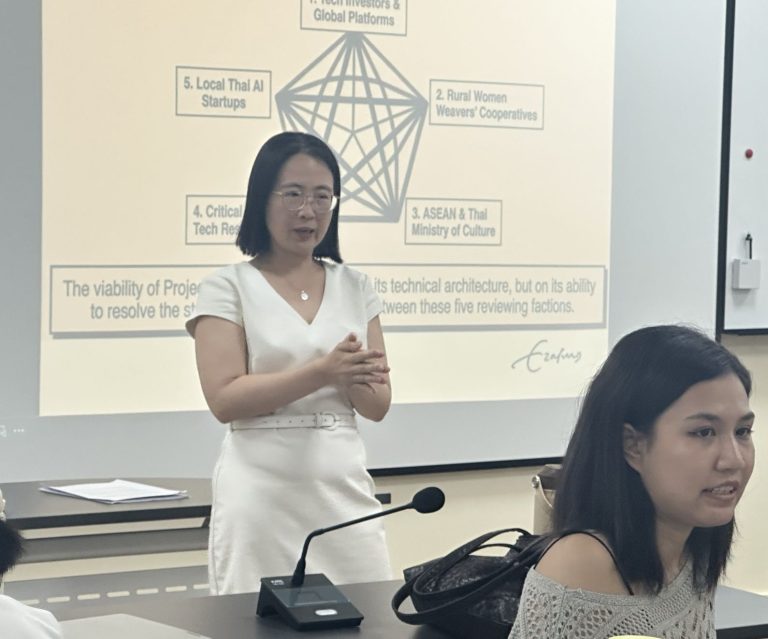
Dr. Chen also situated AI ethics within unequal global structures of knowledge and power. Dominant frameworks and debates remain heavily shaped by Western ethical perspectives, values, and interests, while Global South experiences and socio-cultural contexts are underrepresented. Addressing this imbalance requires moving beyond universal ethical checklists towards analysis grounded in concrete applications, people’s lived experiences, and the structural and historical inequalities surrounding them. From this perspective, the “common good” is not a settled technological objective but a contested social and political question.
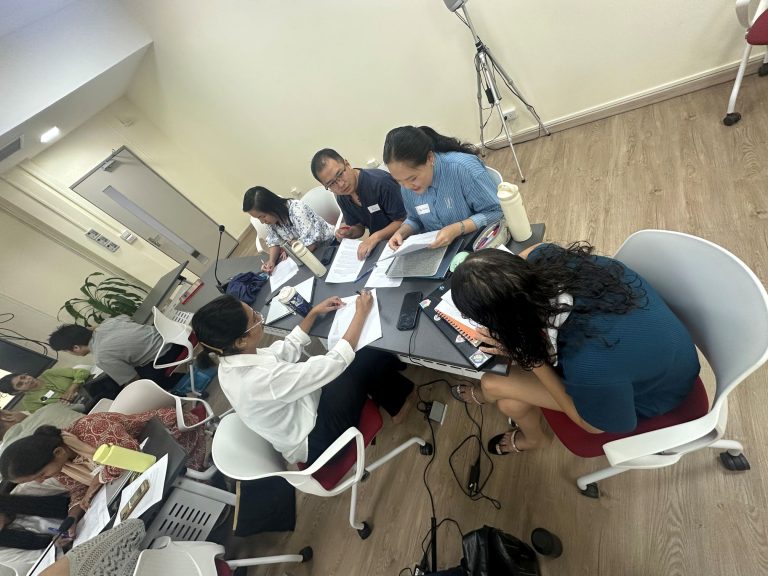
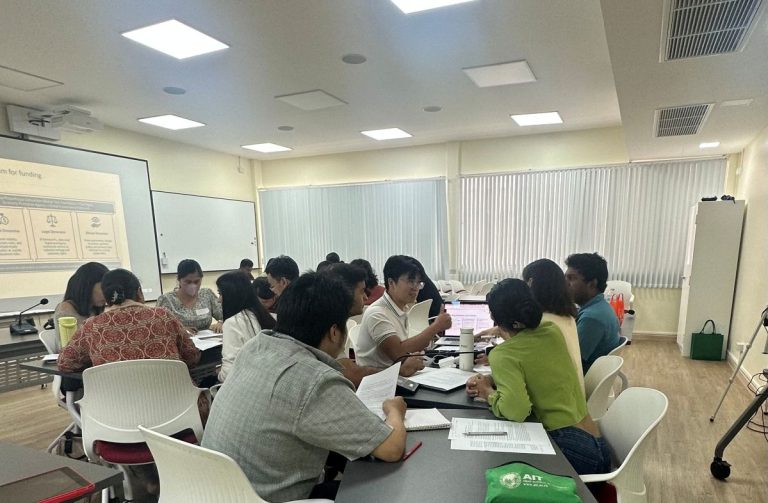
The lecture then moved from critical analysis to active debate. Through collaborative, case-based discussion, participants weighed competing priorities in AI projects, challenged assumptions embedded in proposed uses of AI, and considered how power shapes whose knowledge and interests count in design decisions. The exchange demonstrated that “AI for Good” is not a matter of applying a fixed checklist: it requires critical deliberation, perspective-taking, and a willingness to rethink proposed interventions towards more just and transformative outcomes. It also underscored that consultation with affected communities and other stakeholders cannot be added after an intervention has already been designed; meaningful participation must shape both how a problem is defined and how a response is developed.
We often treat AI ethics as something handed down by tech developers or enforced by policies, but the reality is that governance happens in everyday use ,” reflected Dr. Chen. “Every time we interact with, adopt, or question an AI tool, we have the agency to facilitate more responsible practices. Seeing the diverse professional experiences and regional perspectives that AIT students brought into our discussion was a powerful reminder of how we bridge abstract ethical theory with reality. Real change happens when everyday users actively challenge default assumptions and demand accountability in their own spheres of practice.
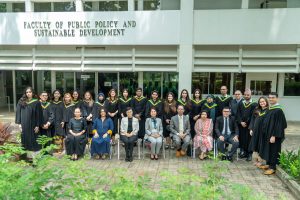
Convened by Dr. Joyee S. Chatterjee, Associate Professor of Gender and Development Studies and course instructor, the guest lecture formed part of Design, Data and Justice in a Digital World, a new GDS course in AIT’s Faculty of Public Policy and Sustainable Development. The lecture was held under the Erasmus University Rotterdam (Netherlands) – AIT (Thailand) Erasmus+ Mobilities grant, supporting collaboration in education and research on the social impacts of AI across Global South-North contexts and disciplinary boundaries. Together, the course and international academic exchange position FPSD within wider regional and global debates about how more accountable, inclusive, and equitable digital futures can be created.