
Asian Institute of Technology
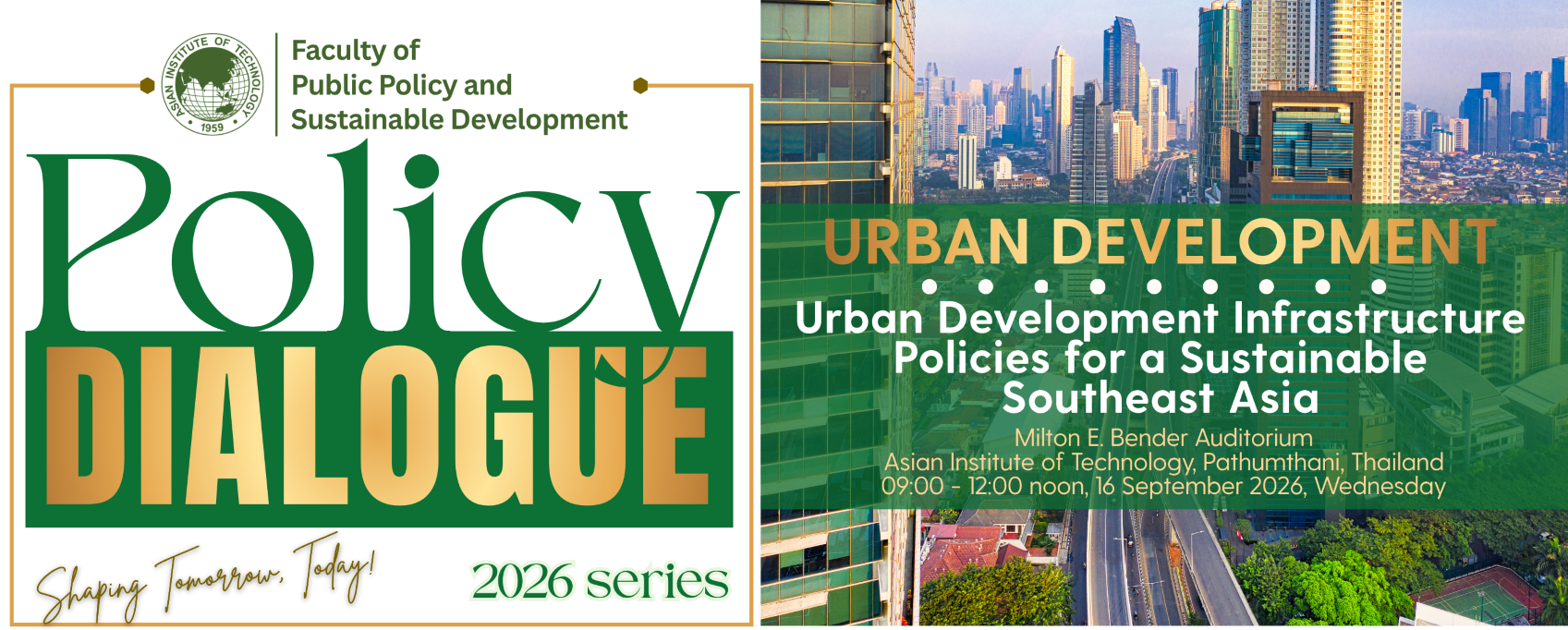
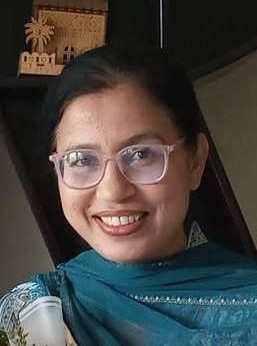
Prof. Dr. Fowzia Gulshana Rashid Lopa
Chittagong University of Engineering and Technology (CUET)
Bangladesh
Lorem ipsum dolor sit amet, consectetur adipiscing elit, sed do eiusmod tempor incididunt ut labore et dolore magna aliqua. Ut enim ad minim veniam, quis nostrud exercitation ullamco laboris nisi ut aliquip ex ea commodo consequat. Duis aute irure dolor in reprehenderit in voluptate velit esse cillum dolore eu fugiat nulla pariatur. Excepteur sint occaecat cupidatat non proident, sunt in culpa qui officia deserunt mollit anim id est laborum.
Lorem ipsum dolor sit amet, consectetur adipiscing elit, sed do eiusmod tempor incididunt ut labore et dolore magna aliqua. Ut enim ad minim veniam, quis nostrud exercitation ullamco laboris nisi ut aliquip ex ea commodo consequat. Duis aute irure dolor in reprehenderit in voluptate velit esse cillum dolore eu fugiat nulla pariatur. Excepteur sint occaecat cupidatat non proident, sunt in culpa qui officia deserunt mollit anim id est laborum.
Lorem ipsum dolor sit amet, consectetur adipiscing elit, sed do eiusmod tempor incididunt ut labore et dolore magna aliqua. Ut enim ad minim veniam, quis nostrud exercitation ullamco laboris nisi ut aliquip ex ea commodo consequat. Duis aute irure dolor in reprehenderit in voluptate velit esse cillum dolore eu fugiat nulla pariatur. Excepteur sint occaecat cupidatat non proident, sunt in culpa qui officia deserunt mollit anim id est laborum.
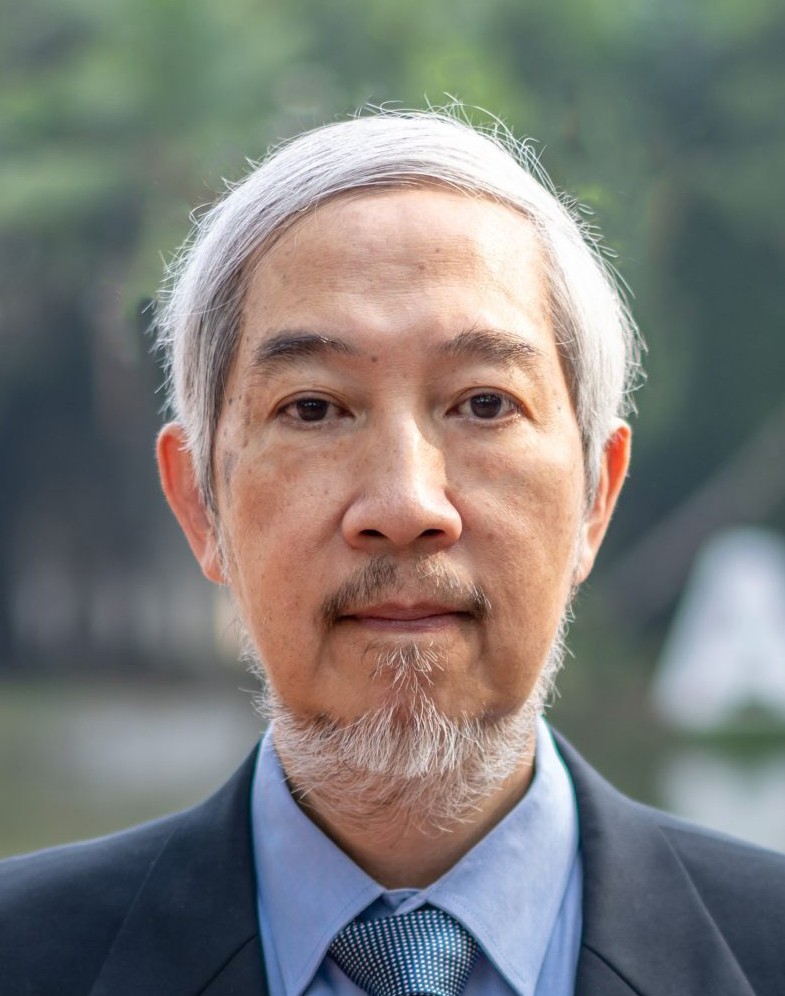
Prof. Pennung Warnitchai
Faculty of Civil and Environmental Engineering
Asian Institute of Technology, Thailand
Prof. Pennung Warnitchai is a prominent Thai structural engineer and a leading authority on earthquake and wind engineering in Southeast Asia. He serves as a Professor of Structural Engineering at the Asian Institute of Technology (AIT) and is the Founding Director of the Earthquake Research Center of Thailand. He earned his bachelor's degree in civil engineering with First Class Honors from Chulalongkorn University before completing his master's and doctoral degrees at the University of Tokyo.
His academic research focuses on structural dynamics, seismic hazard assessment, structural vibration control, and wind tunnel testing for high-rise buildings and bridges. Most notably, he spearheaded the development of Thailand’s first official seismic design standards in 2009, introducing specialized design spectra to protect high-rise structures from distant, long-period ground motions acting on Bangkok's soft-soil basin. His work with the National Research Council of Thailand and the Thailand Research Fund has been instrumental in advancing nationwide earthquake risk mitigation strategies.
Beyond his research, Prof. Warnitchai plays a pivotal role in national policy and international disaster preparedness organizations. He represents Thailand as a national delegate to the International Association for Earthquake Engineering, has served on the Science Board of the Global Earthquake Model, and sits on Thailand’s Executive Committee for the National Disaster Warning System. Through these leadership positions and his technical consulting on major national infrastructure projects, he continues to shape structural codes and resilience planning across the region.
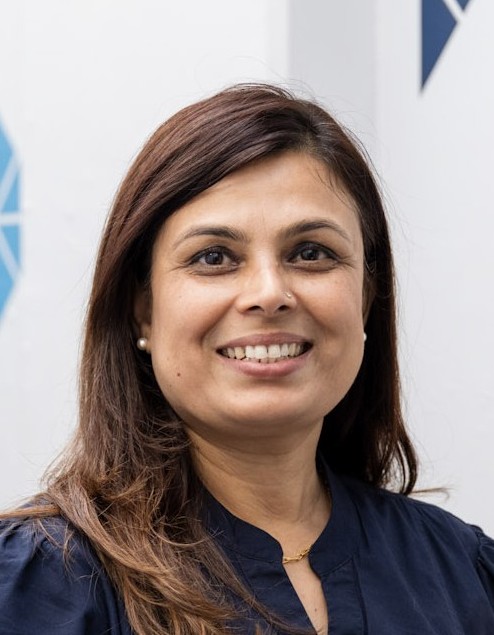
Prof. Punam Yadav
Institute for Risk and Disaster Reduction
University College London, United Kingdom
Prof. Punam Yadav is a Professor of Gender, Peace and Disaster Risk Reduction at University College London (UCL) and an internationally recognized scholar in feminist peace research. Before entering full-time academia in 2010, she spent over a decade working as a development practitioner with non-governmental organizations across Nepal, Thailand, Australia, and the UK. She earned her PhD from the University of Sydney, following postgraduate studies at the Asian Institute of Technology and Tribhuvan University in Nepal. Prior to joining UCL in 2018, she held research and teaching positions at the London School of Economics and the University of Sydney.
She is a Visiting Professor at the Gender and Development Studies programme, from which she also graduated with an MSc in Gender and Development Studies. Prof. Yadav is the Director of the UCL Humanitarian Institute and an internationally recognised scholar in Feminist Peace Research and Gender and Disaster Studies. Her research explores the intersections of gender, conflict, and disaster, and she is particularly known for developing the concept of the gender, conflict, and disaster continuum, which has significantly influenced scholarship and practice in these fields. Her work consistently bridges theoretical scholarship, high-level policy, and community-level resilience to support marginalized populations.
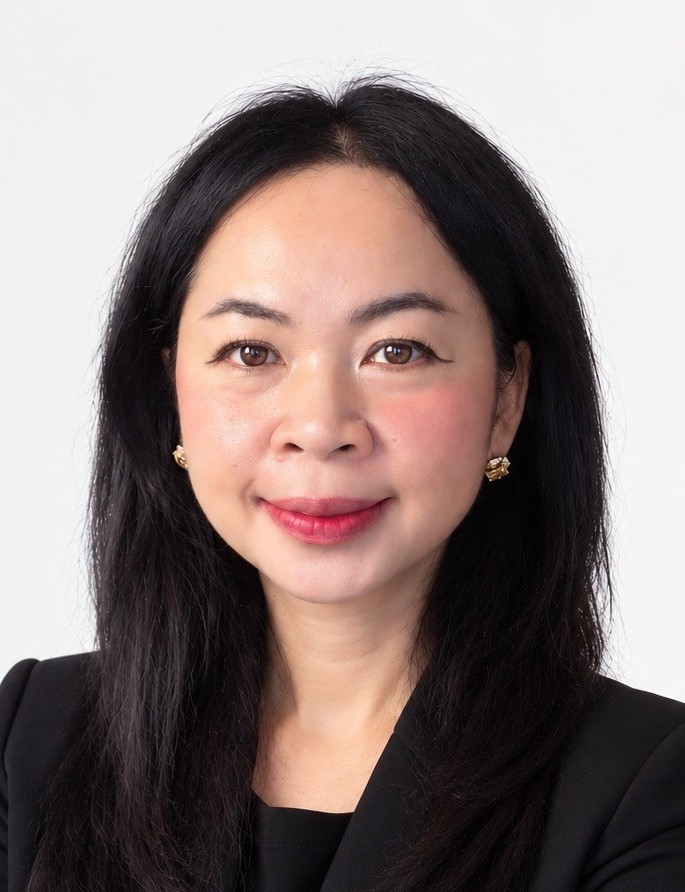
Assoc. Prof. Dr. Pechladda Pechpakdee
Faculty of Architecture, Urban Design and Creative Arts
Mahasarakham University, Thailand
Assoc. Prof. Dr. Pechladda Pechpakdee is an Associate Professor at the Faculty of Architecture, Urban Design and Creative Arts, Mahasarakham University, Thailand. She holds a PhD from the University of Leeds, United Kingdom, where her research focused on urban governance and political change.
Her research interests span urban governance, urban and regional planning, metropolitan development, infrastructure, sustainability, and the institutional and political dynamics shaping cities in Thailand and Southeast Asia. Her recent work examines how fragmented governance, policy frameworks, and multiple levels of authority influence urban development, including research on Bangkok’s airport metropolis, infrastructure-led development, and the governance of rapidly transforming urban regions.
She has also been involved in urban planning and development projects with public-sector and international partners, including the Bangkok Metropolitan Administration (BMA), JICA, and USAID-supported initiatives. Her work bridges academic research and planning practice, with particular attention to how governance arrangements and policy decisions shape urban transformation, resilience, and development outcomes in Southeast Asian cities.
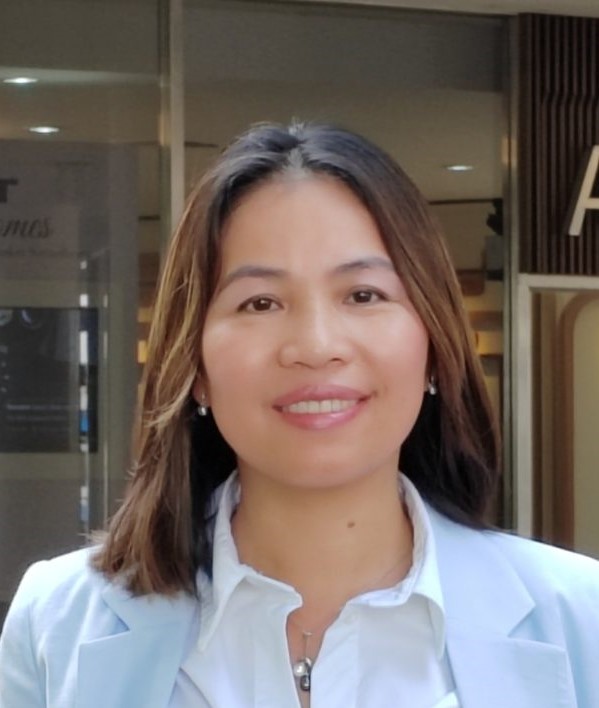
MODERATOR
Assoc. Prof. Dr. Thi Phuoc Lai Nguyen
Dean
Faculty of Public Policy and Sustainable Development (FPSD)
Asian Institute of Technology, Thailand
Dr. Nguyen is a rural and environmental sociologist and currently serves as the founding Dean of the Faculty of Public Policy and Sustainable Development at AIT. She also founded the “Development, Planning and Management Innovation” academic program, now transformed into “Development Innovation and Sustainability,” and co-founded the “Public Policy” academic program. She also developed the Professional Master’s in “Environment and Sustanable Development.”
Her transdisciplinary research addresses complex and uncertain development challenges, with a strong focus on linking research, policy, and practice. Her interests include rural socio-ecological systems, climate resilience, rural and environmental governance and policy, institutional transformation, environmental inequalities, sustainability education, and institutional innovation for sustainable development. Her work also contributes to evidence-based policy development, policy analysis, governance innovation, and policy dialogue on sustainable development challenges. Her research appears in leading journals including Journal of Rural Studies, Agricultural Systems, Applied Geography, and Environmental Science and Policy, and is ranked among the top 0.6% globally in Sustainable Development by ScholarGPS. She serves on the editorial board of Scientific Reports (Nature), as Associate Editor for Gender, Technology, and Development, and as Guest Editor for Journal of Rural Studies (Elsevier) and Discover Environment (Nature Spinger).
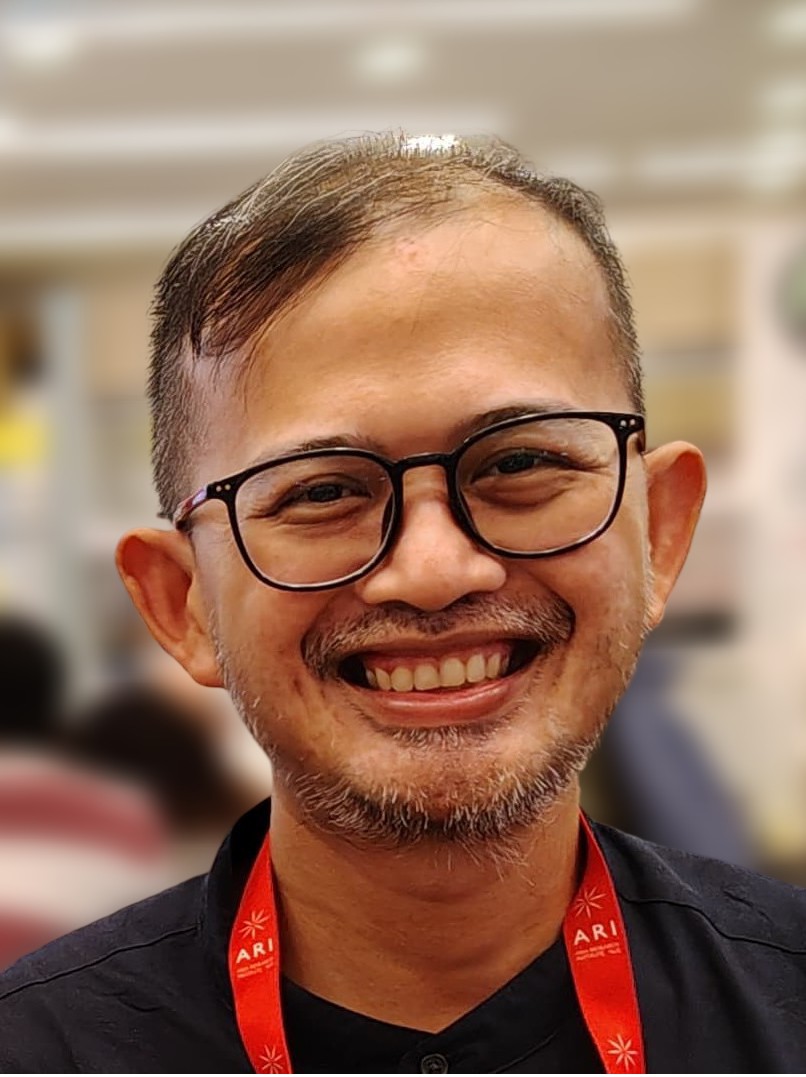
Prof. Galuh Syahbana Indraprahasta
National Research and Innovation Agency (BRIN)
Indonesia
Galuh Syahbana Indraprahasta is a Research Professor and the Chair of the Urban-Rural Dynamics Cluster at the Research Center for Population, National Research and Innovation Agency (BRIN), Indonesia. While working full-time at BRIN, he also serves as an Adjunct Lecturer at IPB University, Indonesia. Galuh also supervises postgraduate students at the latter institution and other universities in Indonesia. Trained as a geographer and planner, he holds a PhD in Geography from Ghent University in Belgium. In addition to his formal education, Galuh has received training from several institutions, including UN-Habitat, UNDP, UNDRR, UN-ESCAP, UNU Merit / Maastricht University, University of Florence, and InWent, among others. His research interests cover a variety of topics in urban and regional studies, including entanglement with the globalization process, the relational lens, the digital world, urban governance, and sustainability issues.
He has received several international and national awards, including a Visiting Fellow at the Asia Research Institute, the National University of Singapore (ARI-NUS), funded by the Urban Studies Foundation (USF); a seminar series award from the USF; workshop grants from Kyoto University and GIZ; a seminar grant from the Leiden-Delft-Erasmus Universities (LDE) Alliance, and many others. Galuh is still currently involved as a collaborator in the “Capitals of the Future” research project at ARI-NUS (https://capitalsofthefuture.org/).
Galuh has carried out multiple research projects on various topics in urban and regional studies, collaborating with institutions in Indonesia and beyond, including Bandung Institute of Technology, University of Indonesia, Gadjah Mada University, the Leiden-Delft-Erasmus Universities (LDE) Alliance, Kyoto University, National Graduate Institute for Policy Studies, and National University of Singapore, to name a few.
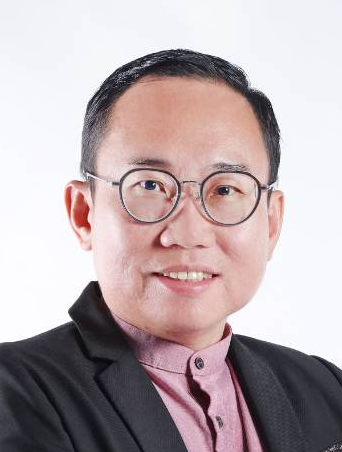
Dr. Lim Seng Boon
Department of Built Environment Studies and Technology
Universiti Teknologi MARA (UiTM) Perak, Malaysia
Dr. Lim Seng Boon is a Senior Lecturer in Town and Regional Planning within the Department of Built Environment Studies and Technology at Universiti Teknologi MARA, Perak Branch, Malaysia. His career spans academia, professional consultancy, and international advisory, focusing on smart and sustainable city planning, citizen-centric governance, and urban policy implementation. He holds a PhD in Developmental Science (Smart City) from Universiti Kebangsaan Malaysia.
Dr. Lim's research centers on bridging high-level urban policies with municipal execution across Malaysia and the broader ASEAN region. He has secured and led multiple national, industrial, and international research grants, including collaborative projects with the National University of Singapore (NUS) as a regional research partner, and has served as an Adjunct Professor at Universitas Brawijaya, Indonesia.
Beyond academia, Dr. Lim brings practical expertise into local governance and standardization. He serves as project leader and sub-consultant for several local authority smart city action plans, including those for Taiping, Kulim Hi-Tech Park, Kuala Selangor, and Manjung, and contributes to the Putrajaya Structure Plan and Local Plan 2050. At the standards level, he represents Malaysia on the International ISO Technical Committee ISO/TC268/TG1 (Smart Cities Awareness-raising, Communication, and Promotion). Nationally, he serves on the National Technical Committee for Smart Cities (NSC 27) and acts as the Leader and Technical Committee for NSC 27/TC1/WG3, currently overseeing the formulation of MS 2812: Indicators for Resilient Cities with the Department of Standards Malaysia.
Dr. Lim is dedicated to advancing human-driven, socially inclusive governance models that empower local communities across rapidly urbanizing environments.
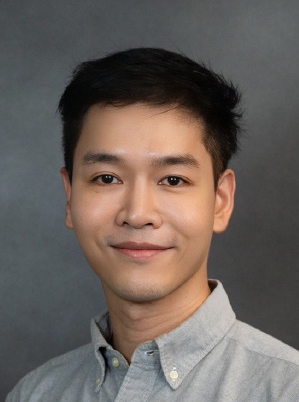
Asst. Prof. Napong Tao Rugkhapan
Department of Urban and Regional Planning
Faculty of Architecture, Chulalongkorn University, Thailand
Napong Tao Rugkhapan is an Assistant Professor of Urban and Regional Planning at the Faculty of Architecture, Chulalongkorn University, Bangkok. He holds a PhD in Urban Planning, and his research and teaching focus on urban politics, planning, and development in Southeast Asia.
His research examines how cities are shaped through the interaction of planning institutions, state policies, economic interests, and everyday urban politics. His work has addressed the politics of urban planning and redevelopment, urban heritage and place-making, gentrification and neighborhood change, and the politics of maps, street names, and other forms of spatial representation. A recurring concern across his work is how seemingly technical practices of urban planning and development are embedded in broader struggles over power, resources, identity, and competing visions of the city.
Much of his research is grounded in Bangkok and other Southeast Asian cities. His earlier work examined the transformation and politics of Chinatowns in Southeast Asia, while his more recent research has explored urban development conflicts, infrastructure and metropolitan development, urban protest and political mobilization, and the relationship between planning and rapidly changing urban peripheries. He is particularly interested in using Southeast Asian urban experiences not simply as empirical cases to which established urban theories are applied, but as sites from which broader concepts and theories of urbanization can be reconsidered.
At Chulalongkorn University, he teaches courses on urban theory, urban livelihoods, and urban planning and design, with a particular emphasis on connecting debates in urban studies and political economy to the realities of cities in Southeast Asia.
His current work continues to examine the politics of urban development in Bangkok and Southeast Asia, including how governments imagine and plan for urban futures, how large-scale infrastructure and development projects reshape metropolitan space, and how communities and other urban actors negotiate, contest, and sometimes appropriate these processes.
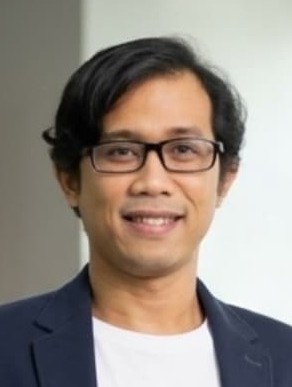
Dr. Arif Budy Pratama
Faculty of Social and Political Sciences, Universitas Tidar, Indonesia
Dr. Arif Budy Pratama is an Indonesian scholar, Assistant Professor of Political Science at Universitas Tidar in Magelang, Indonesia, and an Adjunct Faculty member in the Faculty of Public Policy and Sustainable Development at the Asian Institute of Technology (AIT). He has built an extensive academic career across Asia, Europe, and North America, including serving as a Fulbright Visiting Scholar and post-doctoral researcher at Harvard University to examine local government policy and urban governance dynamics.
His educational background spans several international institutions. He earned his bachelor's degree in public administration from Universitas Diponegoro, followed by a master's degree in national resilience from Universitas Indonesia and a Master of Public Administration with distinction from the University of Exeter in the United Kingdom. He subsequently completed a postgraduate diploma in research methods at the Maastricht School of Management in the Netherlands and received his PhD in development research and policy from the University of Bonn in Germany.
Dr. Pratama’s research focuses primarily on public administration, urban governance, digital governance, smart cities, and local climate policy. His published work investigates how local governments adopt digital platforms, how street-level bureaucrats navigate digitalization projects, and how citizen feedback influences public service motivation. Through his scholarly publications and research collaborations, he contributes key insights into bureaucratic reform and public policy across Indonesian and Asian urban centers.